A Critical Analysis of the Potential for Sustainable Domestic Electronic Products as Behavioural Objects — Raphael Murray Browne
Introduction
In this essay, I have looked at three papers on agentic objects, and user interaction, to better understand whether giving lifelike behaviour to domestic electronic products (DEPs) could reduce electronic waste.
Paper 1
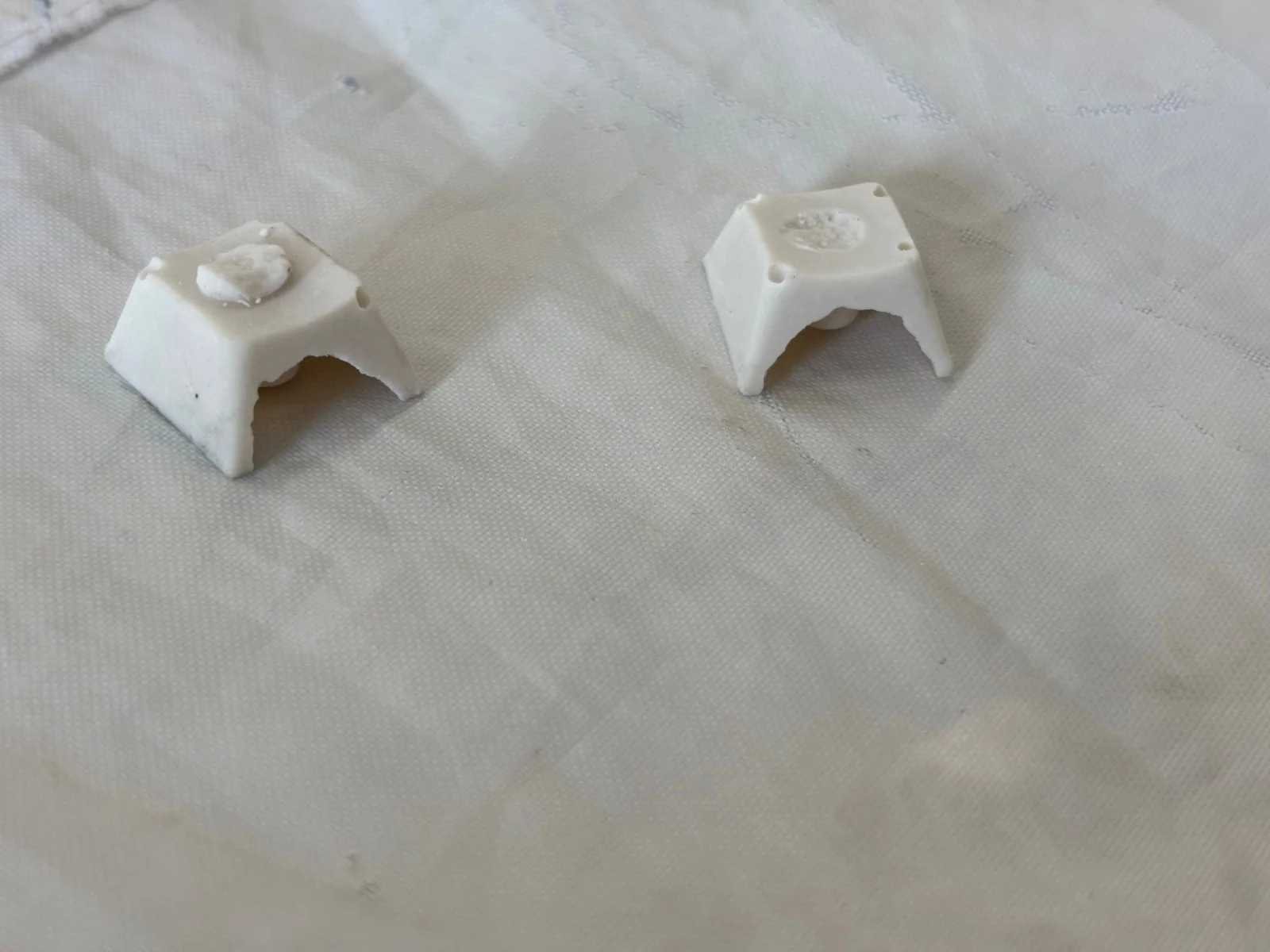
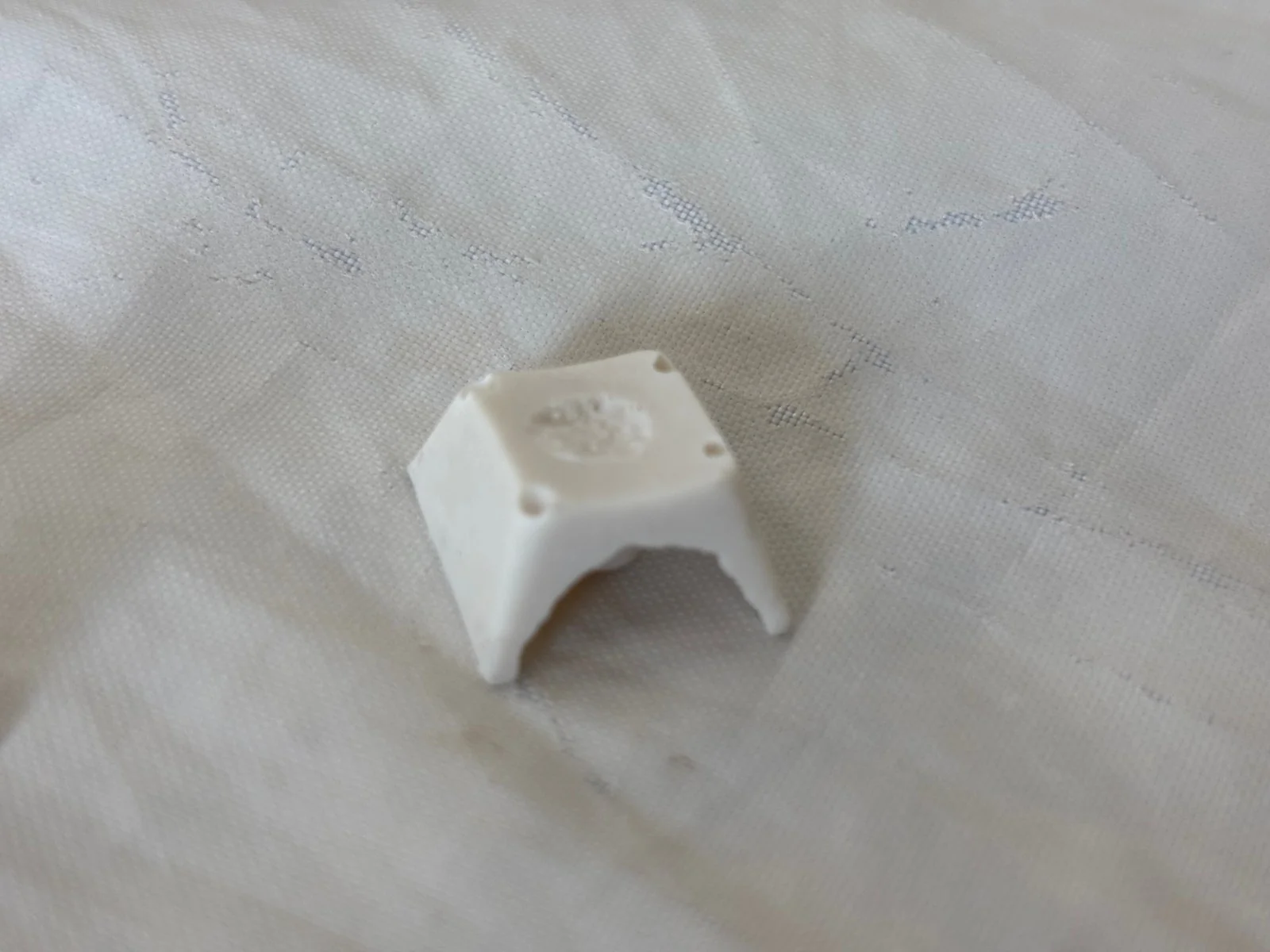
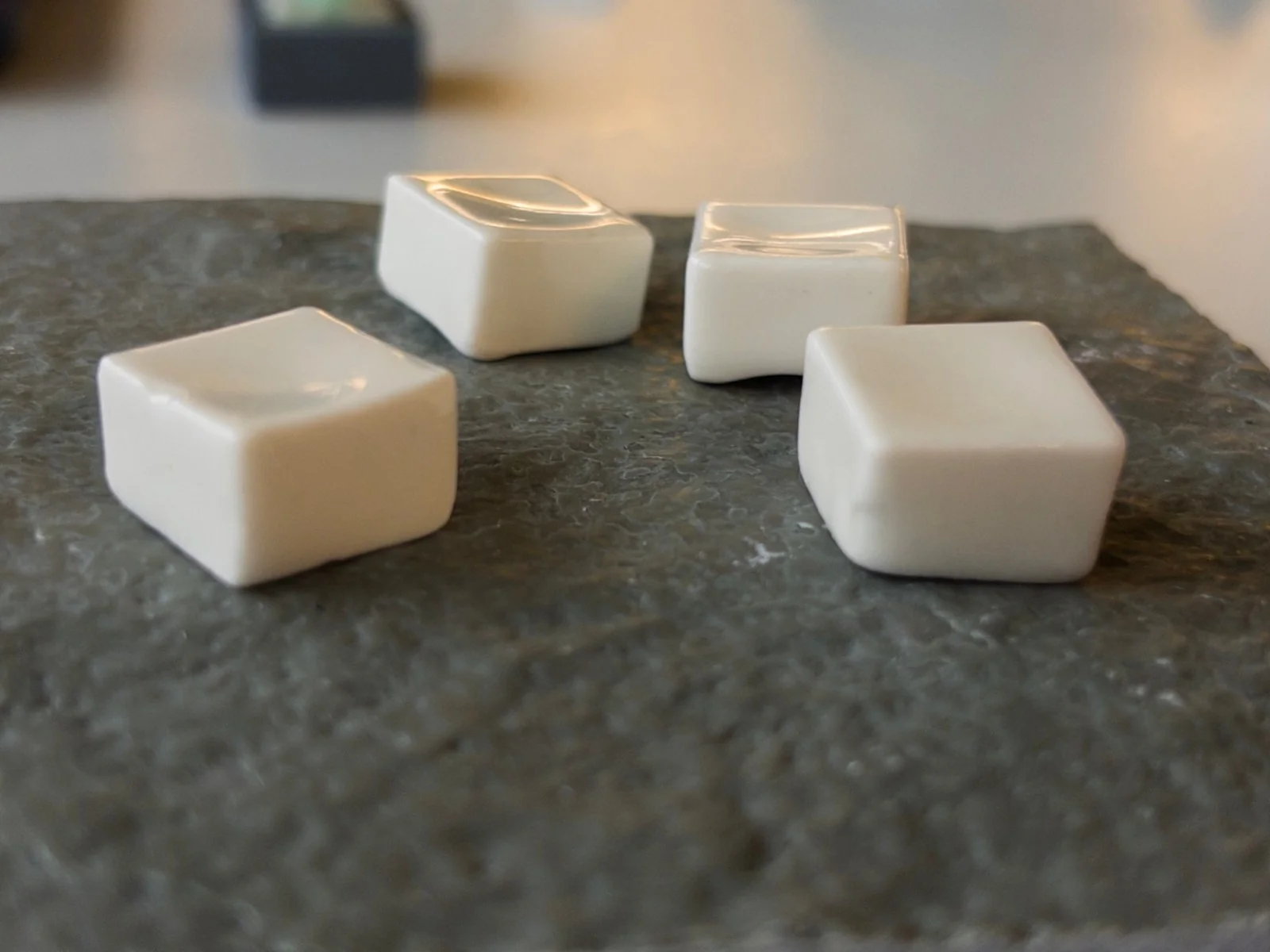
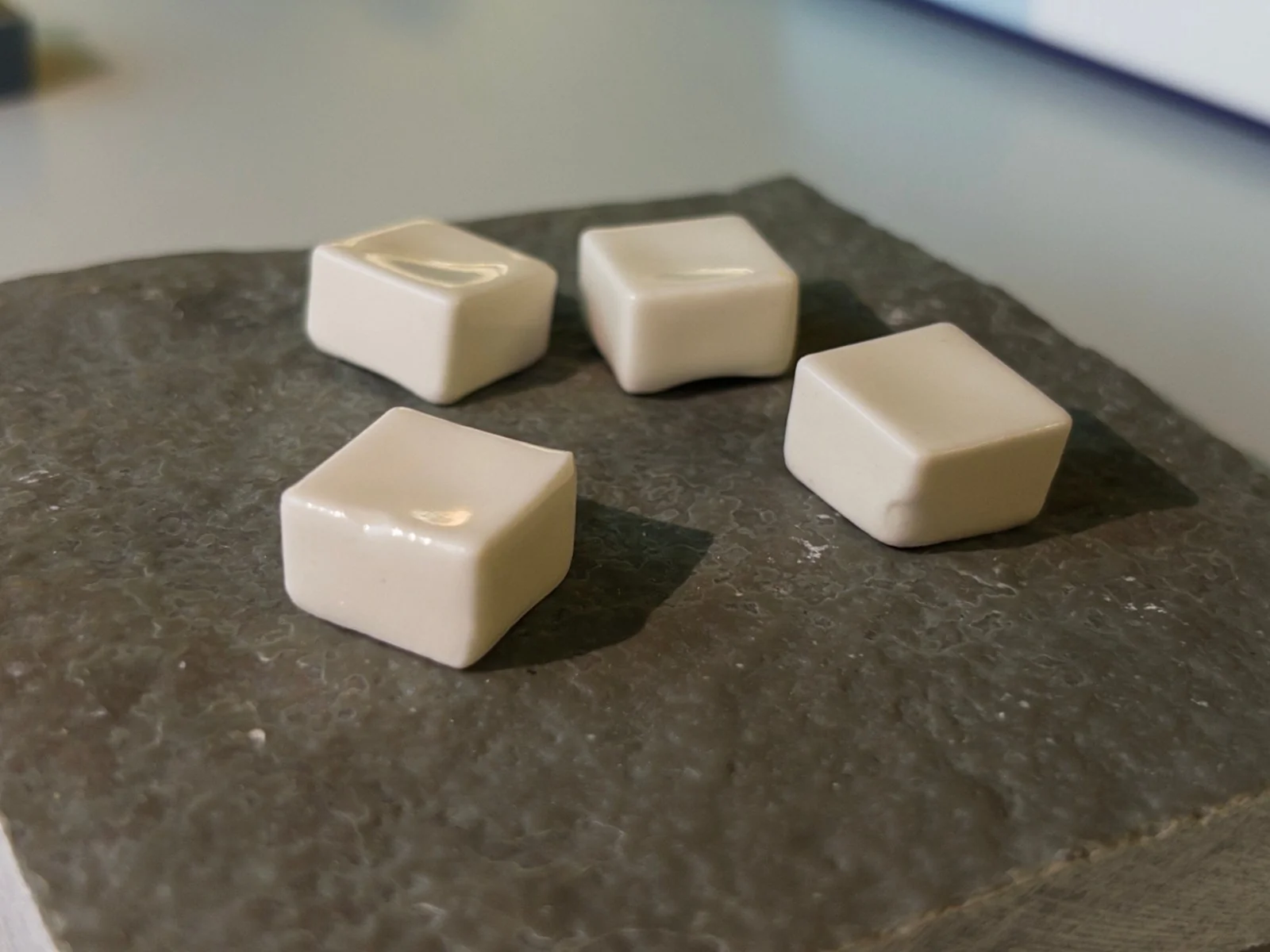
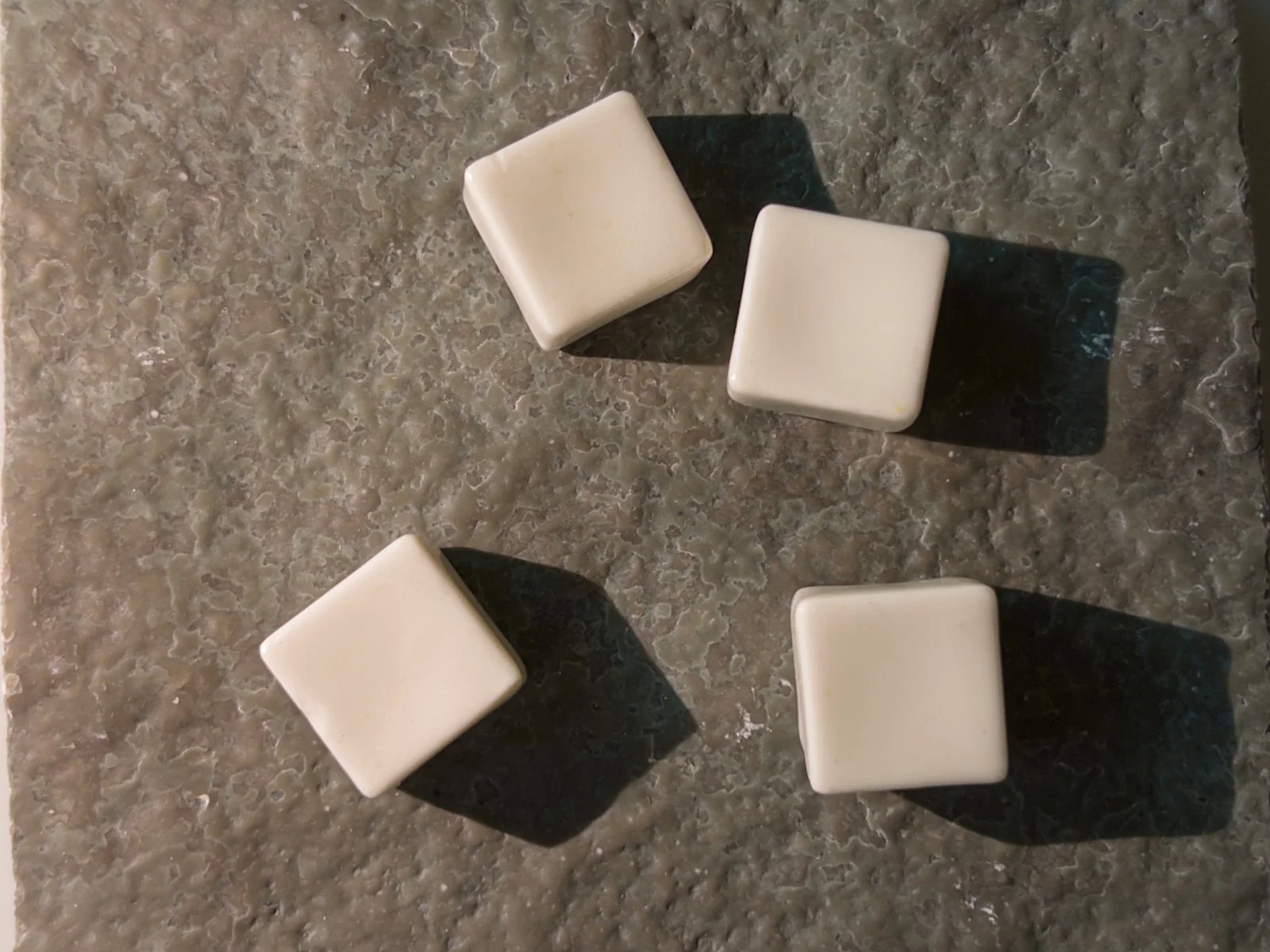
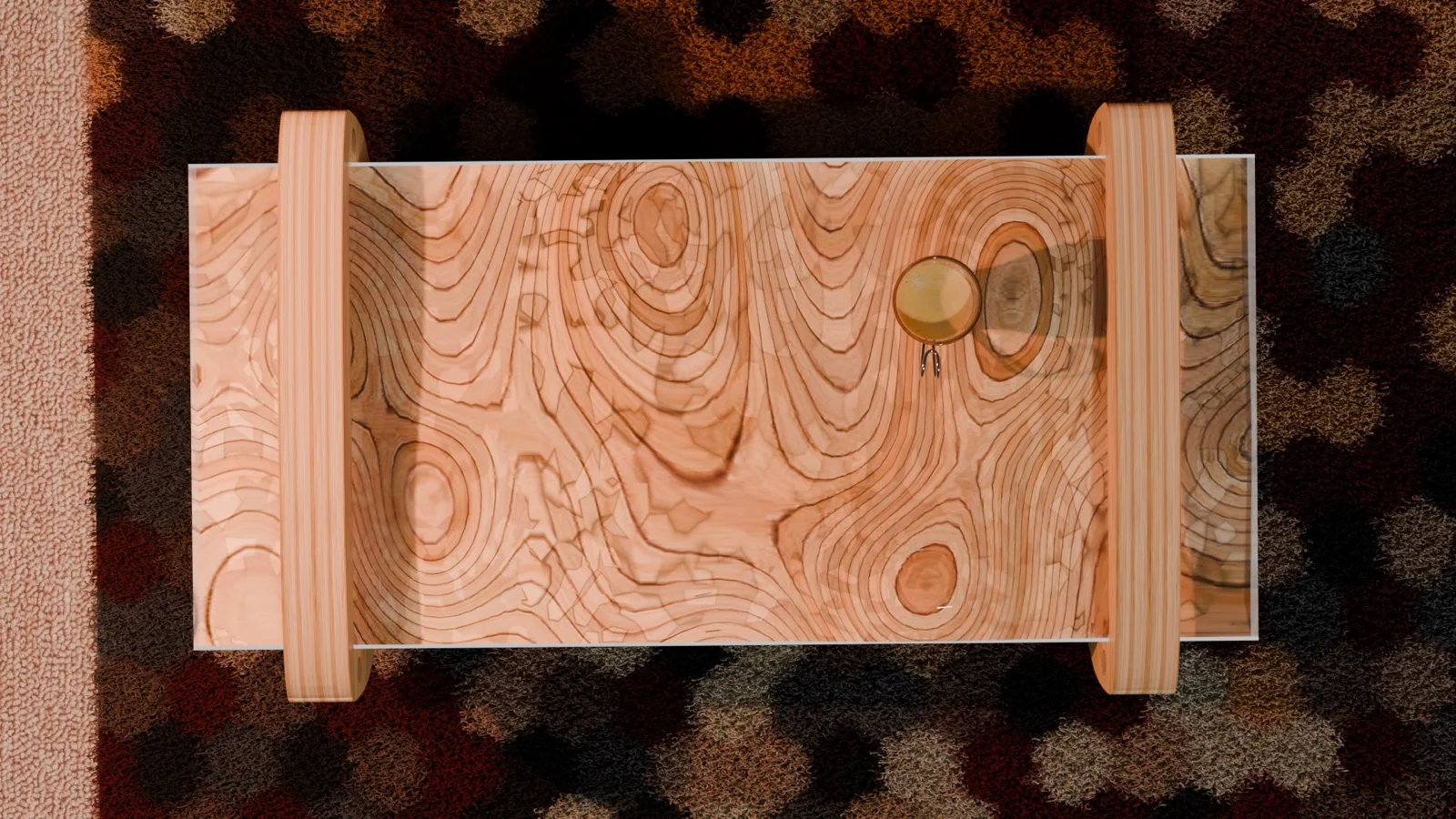
‘Morse Things: A Design Inquiry into the Gap Between Things and Us’ by Wakkary et al. (2017) describes an experiment in which six professional designers and design researchers each lived for several weeks with a set of networked ceramic bowls and cups. The “Morse Things” communicate solely with each other through audible Morse code at random intervals no longer than eight hours apart, each message additionally being sent automatically to Twitter (p. 505).
Apart from their autonomous messages to each other, the Morse Things were functionally a set of normal crockery, although neither dishwasher nor microwave safe (Wakkary et al., 2017, p. 505).
At the end of the experiment, Wakkary et al. (2017, p. 511) noted that nearly all of the participants made some kind of emotional connection to the crockery: “Lastly, at the end of the deployment, nearly all participants wanted to keep the Morse Things.”
Paper 2
‘Behavioral Objects: The Rise of the Evocative Machines’ by Levillain and Zibetti (2017) sets up a formal framework for better understanding human interaction with “robotics through the lens of unsophisticated, non-humanoid or zoomorphic robotic artifacts (which we will call behavioral objects)” (p. 5). Levillain and Zibetti (2017, p. 4) state that objects that are able to (and do) act on information they have sensed of their environment, “even in a very crude fashion”, tend to give an impression of aliveness, and “may create an affective bond that would not exist if these objects remained inert.”
Levillain and Zibetti’s (2017) examples point to two different ways behaviour can work. The first is legible intention. Discussing automatic doors that “gesture” toward passers-by, they write that “what matters here is the communicative intention, which is recognized by a human as such” (p. 5). This behaviour is designed to be read, and it adds to the functionality of the door, inviting users in. The second is an example of autonomy that can’t be read. Levillain and Zibetti cite Jeppe Hein’s 360° Presence (2002) for this. 360° Presence is a steel ball that starts rolling when a visitor enters the gallery and moves at random until they leave (Levillain and Zibetti, 2017, p. 6). The spectator “is denied a sense of mastery”, yet “the apparent autonomy of the ball forces them to consider its subjectivity” (p. 6). So even seemingly random movement can be attributed to subjectivity.
Morse Things belongs with the ball, not the door. Its messages are meaningless to anyone who doesn’t know Morse code, and its goal is not to improve the bowl or the cup but to explore the “gap between things and us” (Wakkary et al., 2017, p. 503). Yet nearly all participants wanted to keep them (p. 511).
Paper 3
‘Design for (Emotional) Durability’ by Jonathan Chapman (2009) states that most DEPs are thrown away while still completely functional (p. 35), and that “The sustainability crisis is a behavioral issue, and not one simply of technology, production, and volume” (p. 29). He proposes the following six-point experiential framework for designing objects that users will not want to discard – objects with “emotional durability” (p. 33):
- Narrative
- Detachment
- Surface
- Attachment
- Curiosity*
- Consciousness
*Chapman (2009, p. 32) calls this theme “fiction”; its label is missing from the printed list (p. 33). I refer to it as ‘curiosity’.
I believe that behavioural objects such as (but not specifically) Morse Things satisfy attachment, curiosity, and consciousness. These three points of intervention weave into one another; consciousness invites users to explore and attempt to understand said consciousness, while we know from Levillain and Zibetti (2017, p. 4) that that same consciousness, what they call an “impression of aliveness”, may create an “affective bond” between user and object (or rather from user, to object). Meanwhile Chapman (2009, p. 33) suggests that part of a product’s appeal lies in not yet being fully understood by its user – something that a seemingly autonomous object would excel at.
Conclusion
While issues pertaining to electronic obsolescence and the emotional toll of demanding objects (Chapman’s detachment) are outside the scope of this essay, there most definitely does seem to be an area, perhaps in DEPs (as opposed to crockery), that would benefit from including some form of behaviour, to better bond with a user, and therefore not become obsolete quite so fast.
AI Use
In this paper, I have used gen-AI to discover relevant papers on certain topics for reading, restructure paragraphs relating to Paper 2, and to check citations.
References
Chapman, J. (2009) ‘Design for (emotional) durability’, Design Issues, 25(4), pp. 29–35. Available at: https://doi.org/10.1162/desi.2009.25.4.29.
Levillain, F. and Zibetti, E. (2017) ‘Behavioral objects: the rise of the evocative machines’, Journal of Human-Robot Interaction, 6(1), pp. 4–24. Available at: https://doi.org/10.5898/JHRI.6.1.Levillain.
Wakkary, R., Oogjes, D., Hauser, S., Lin, H., Cao, C., Ma, L. and Duel, T. (2017) ‘Morse Things: a design inquiry into the gap between things and us’, in DIS ’17: Proceedings of the 2017 Conference on Designing Interactive Systems. Edinburgh, UK, 10–14 June. New York: Association for Computing Machinery, pp. 503–514. Available at: https://doi.org/10.1145/3064663.3064734.